Patent drawings made with AI
AI Patent Drawing
Yes, AI can make patent drawings. PatentStroke is AI patent drawing software that makes patent drawings from a product photo, a hand sketch or a method claim, laid out on USPTO sheets. A line drawing takes about 15 seconds and a flowchart about a minute; you review every figure before filing.
In short
- Inputs: a product photo or hand sketch (JPG, PNG or WEBP, up to 10 MB), method steps or a claim, or a system description.
- Outputs: black-and-white line art, exploded and section views, flowcharts and block diagrams, with reference numerals and FIG. labels.
- Sheets follow 37 CFR 1.84: Letter or A4, required margins, black and white, n/N sheet numbers. Export vector PDF, 300 DPI PNG or TIFF, or SVG.
- Price: 10 credits per figure. 30 free credits on sign-up, then 10 a day. One application from $39.9.
What AI patent drawing can make
Pick the figure you need. Each one starts from material an inventor already has.
Photo to line art
A product photo becomes clean black-and-white line art with no shading or background.
Sketch to line art
A pencil or napkin sketch becomes even, filing-ready lines.
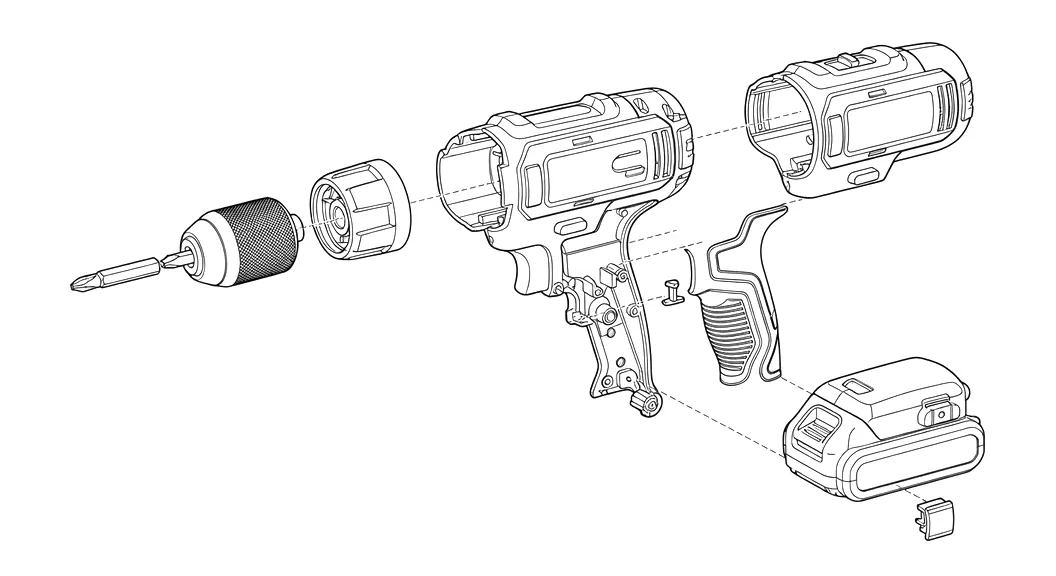
Exploded view
Parts pulled apart along their assembly axis, drawn from a photo of the product.
Section view
A cut through the central plane with 45-degree hatching on cut surfaces.
Method flowchart
Method steps or a claim become a flowchart numbered S101 onward, kept as editable vector boxes.
System block diagram
A system description becomes a block diagram numbered 100 onward.
What AI does well, and what you still check
AI is fast at the drawing itself. The judgement about what to show stays with you.
AI does well
- Turning photos and sketches into consistent black-and-white lines in seconds.
- Laying claim steps out as numbered flowcharts and block diagrams.
- Formal rules: margins, sheet size, FIG. labels, sheet numbers and text height.
- Redrawing a figure after an office action without waiting on a drafter.
You still check
- That every claimed feature is shown. AI draws what is in the photo; it does not read your claims for you.
- Small parts on complex assemblies. Image models sometimes add or drop a detail, so compare each figure with the product.
- That reference numerals match the specification, both ways.
- Whether a figure needs a human drafter, for example a large mechanical assembly with dozens of numbered parts.
How it works
How to make patent drawings in three steps
No CAD skills and no back-and-forth with a drafter. You stay in control of every figure.
- 01
Upload or paste
Add a photo or a hand sketch of your invention, or paste method steps, a method claim or a system description.
- 02
Generate the figure
PatentStroke draws clean black-and-white line art, or lays out a numbered flowchart or block diagram. Adjust the line threshold or regenerate until it looks right.
- 03
Export the sheet set
Add figures to a sheet set. FIG. labels, sheet numbers and USPTO margins are applied for you; export a vector PDF, 300 DPI PNG or SVG.
Real output
Patent drawings generated from one photo, a sketch or a claim
Unedited PatentStroke output, shown next to the input it came from.
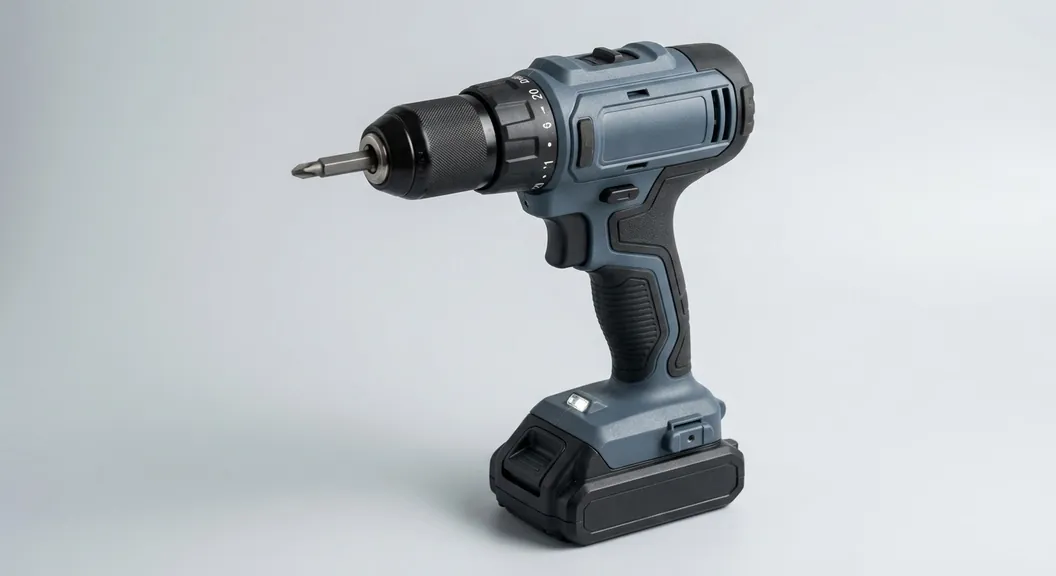
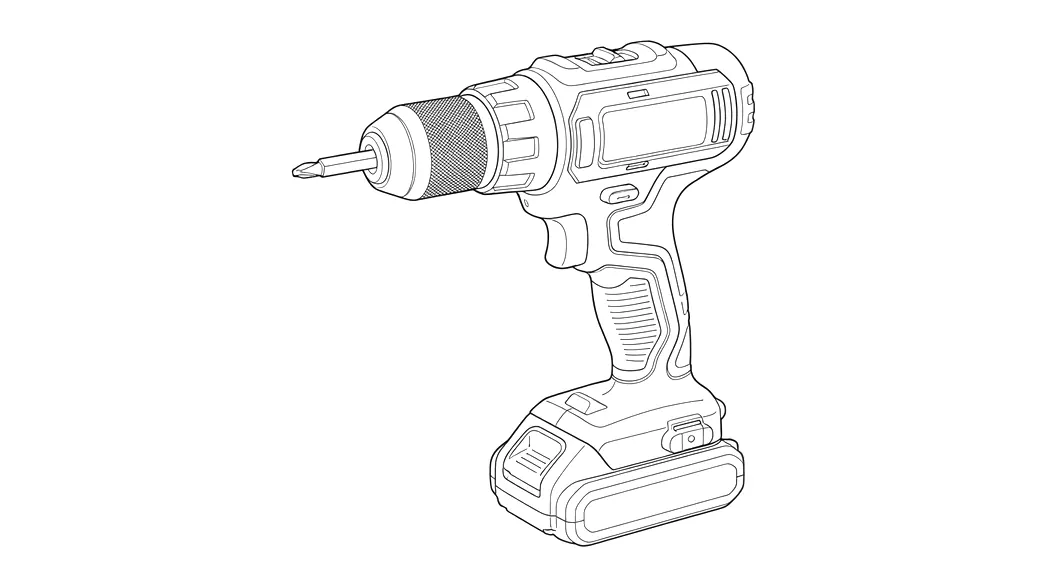
Patent line drawing from a product photo
Background, colour, shading, logos and labels are removed and the outline and part edges are kept as clean black strokes, ready for your reference numerals.
Input
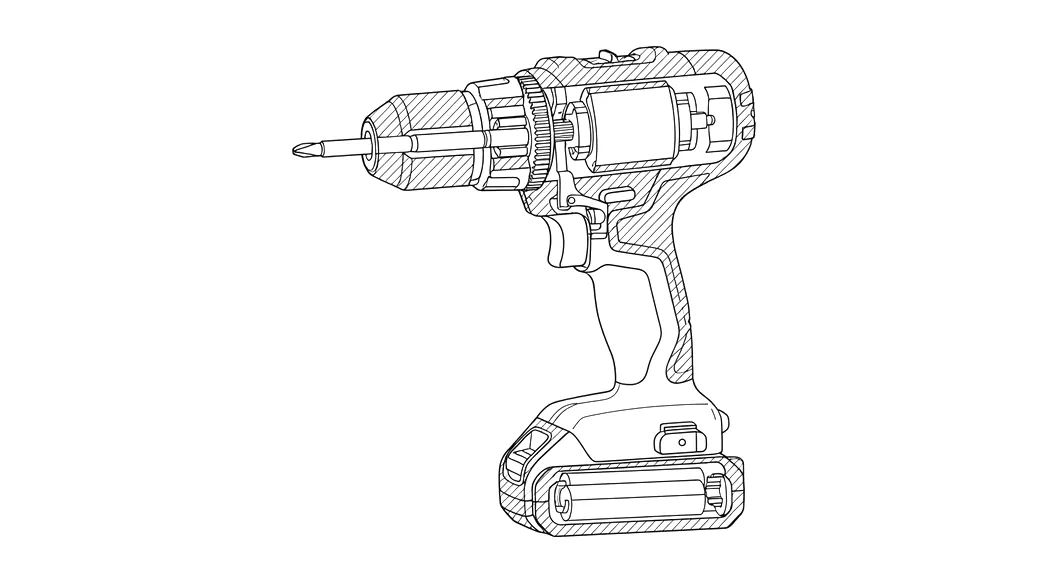
Exploded view from the same photo
Parts are pulled apart along dashed assembly lines so an examiner can see how they fit together.
Input
Cross-section view from the same photo
A cut through the device with hatching on the cut surfaces, showing walls and parts nested inside the housing.
Input
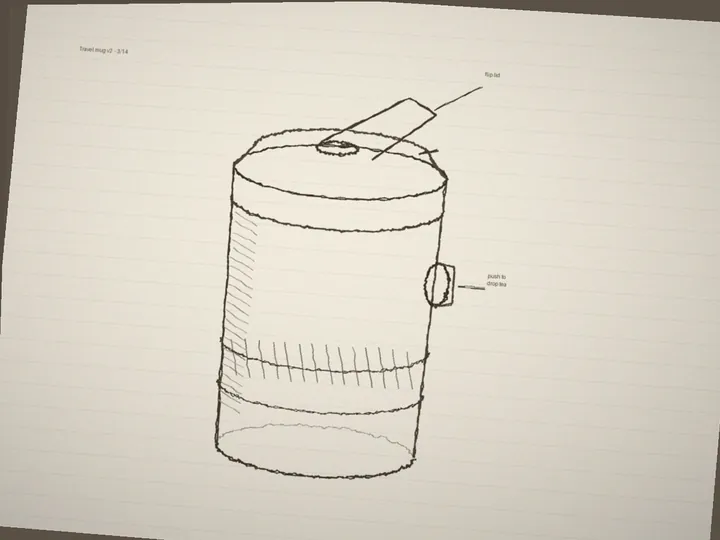
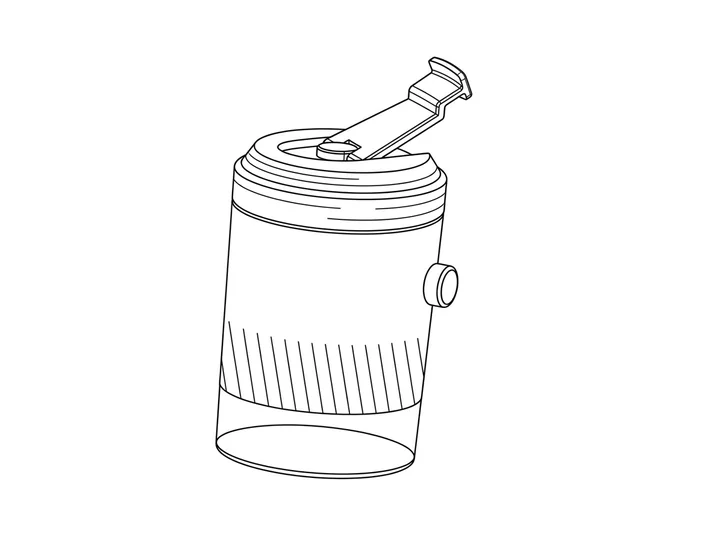
Line art from a phone photo of a hand sketch
A rough sketch on lined paper becomes clean line art in about 15 seconds. Margin notes and paper lines are left out.
Input
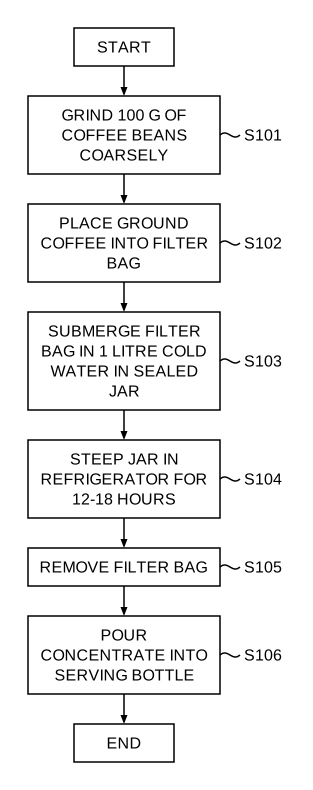
Patent flowchart from method steps
Paste the steps of a method claim and get a vector flowchart with start and end boxes and steps numbered S101 onward.
Input
1. Grind 100 g of coffee beans coarsely. 2. Place the ground coffee into a filter bag. 3. Submerge the filter bag in 1 litre of cold water in a sealed jar. 4. Steep the jar in a refrigerator for 12 to 18 hours. 5. Remove the filter bag. 6. Pour the concentrate into a serving bottle.
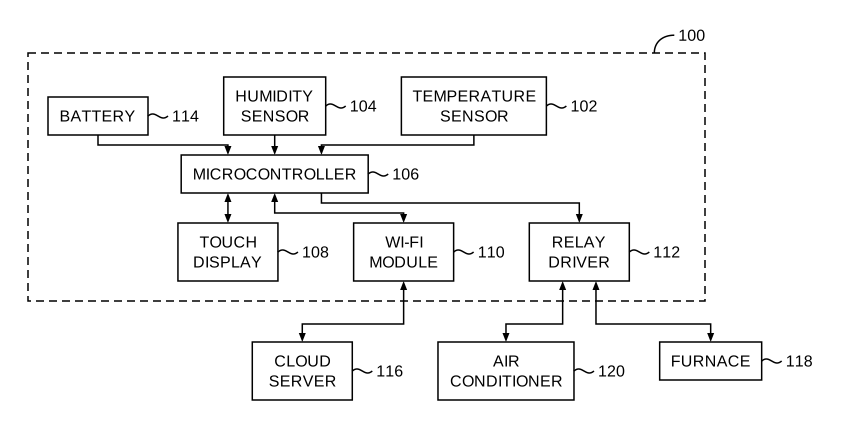
Block diagram from a system description
Describe the parts of an apparatus and how they connect. PatentStroke draws the blocks with reference numerals 100, 102, 104 and orthogonal connectors.
Input
A smart thermostat system with a temperature sensor, a humidity sensor and a battery feeding a microcontroller. The microcontroller drives a touch display, a Wi-Fi module that talks to a cloud server, and a relay driver that switches an air conditioner and a furnace.
Images are scaled down for the web. Exports are vector PDF or 300 DPI PNG.
Confidentiality
Confidential patent drawings for unfiled inventions
Specific commitments, each backed by how the service is built.
No training on your invention
We never use your uploads, prompts or drawings to train AI models, and our trust page lists the companies that process them.
Private storage, short-lived links
Your uploads stay private to your project and are deleted with it. Drawings live in private storage and open only through links that expire after 10 minutes.
You decide what is kept
Delete a figure, a sheet set or your whole account at any time. Unsaved results are deleted after 30 days.
AI patent drawing questions
Try the AI patent drawing software on your own invention
Sign up free, upload a photo or paste a claim, and see the result before you spend anything.